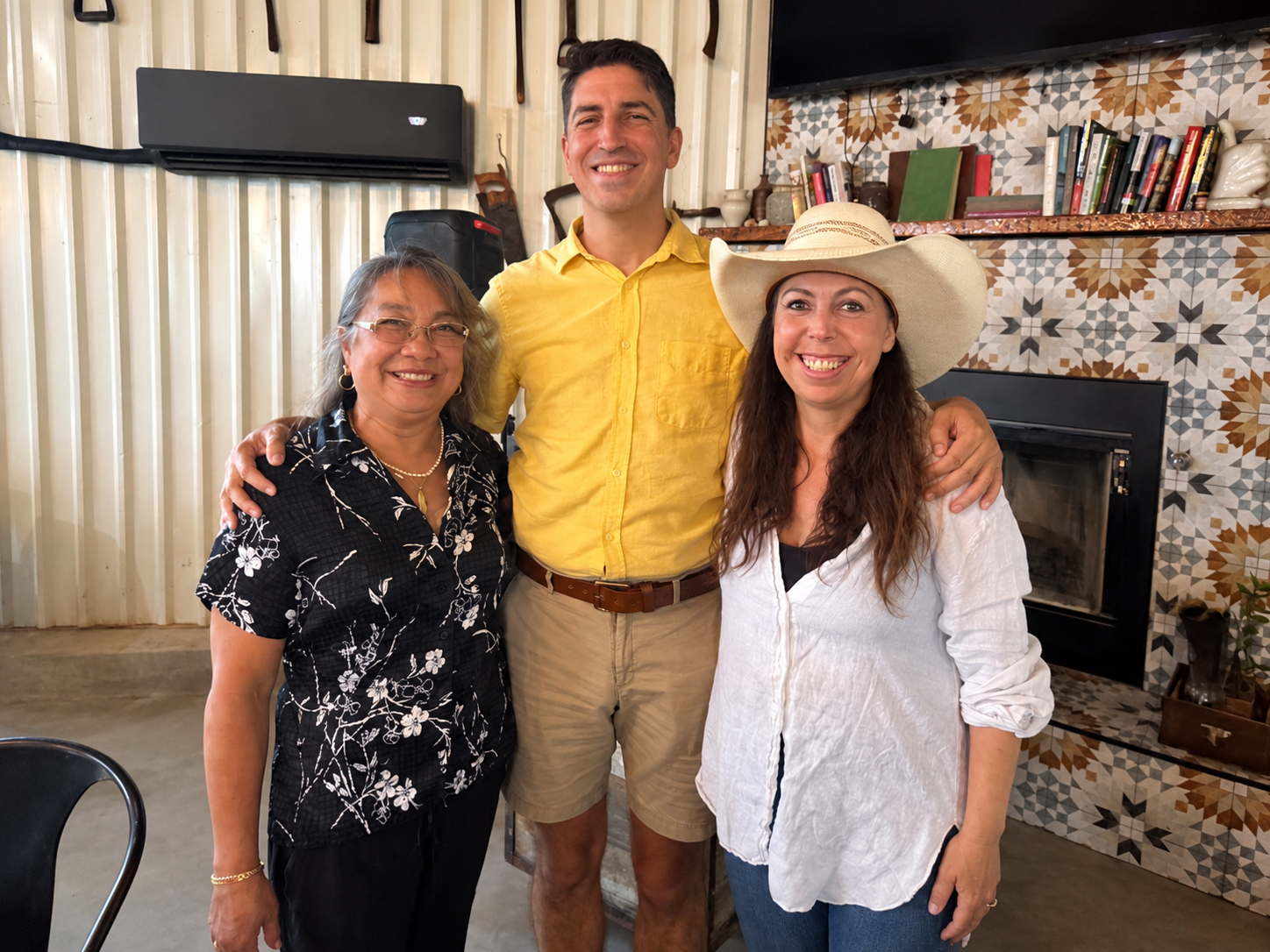

Friday evening September 18, 2026 at Sovereignty Ranch in Bandera brought together good food, conversation, community, and a presentation from John Bush, founder of Live Free Academy and the Exit & Build movement.
Before John took the floor, Sovereignty Ranch owner Mollie Englehart welcomed everyone to the monthly Brownstone Supper Club and explained the idea behind these gatherings: bringing people together in person for thoughtful conversation, even when they may not agree on everything. She described Brownstone as growing out of the COVID era and emphasized the value of sitting around a table, talking face-to-face, and building community instead of allowing disagreement to divide people.
John then opened the evening with prayer, giving thanks for the food, the land and animals that provided it, and asking for guidance in finding what he called our “kingdom purpose” and using our creative abilities in service to others.
From Political Activism to “Exit & Build”
Bush described more than two decades of activism and his eventual frustration with spending so much time trying to slow or resist institutions he opposed. His conclusion, he told the audience, was that people interested in greater independence should spend more energy building alternatives rather than remaining entirely in a reactionary posture.
That idea became what he calls “Exit & Build” — stepping away, where practical, from systems a person does not wish to depend upon and creating new networks, institutions and relationships in their place. In his words, the question becomes not simply what people oppose, but what kind of world they actually want to create.
John organized much of his presentation around two areas he considers especially important: the counter-economy and land and community. He described the counter-economy as building ways to trade, earn income and hold assets outside conventional systems, while land and community meant developing stronger connections to local food producers, homesteading where possible, and building dependable relationships with neighbors and like-minded communities.
Local Food, Local Relationships and Resilience
One part of the talk that fit naturally with the setting at Sovereignty Ranch was John’s emphasis on local food and local relationships.
He encouraged people to know the farmers and producers around them, support local food systems and learn practical skills rather than waiting until a crisis to begin building those relationships. He used Sovereignty Ranch itself as an example of people choosing to create something tangible rather than simply talking about the problems they see.
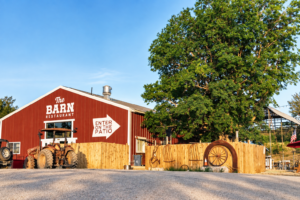
The Barn at Sovereignty Ranch in Bandera, where local food, community and alternative forms of payment come together.
Later, he returned to the same theme, encouraging people to grow food when possible, learn how food is produced, and develop relationships with local farmers and producers. He also spoke about the value of building small, dependable networks of people who are willing to help one another.
Alternative Currencies and Financial Independence
A substantial portion of John’s presentation focused on alternative forms of exchange, including cryptocurrency, precious metals and Goldbacks.
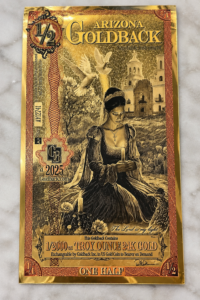
He explained why he personally favors decentralized cryptocurrency and discussed the importance of understanding the difference between custodial and non-custodial wallets. During the question-and-answer portion, he emphasized that people choosing to use cryptocurrency should understand who controls access to their assets and how the technology works before relying upon it.
John also described a practical exercise he uses: asking local farmers-market vendors whether they will accept precious metals or cryptocurrency. His larger point was less about any single currency than about building relationships and alternative trading networks before they are needed.
A Focus on Action Instead of Fear
One of the recurring themes of the evening was John’s argument that people can become so focused on predictions, political personalities, crises and alarming headlines that they lose sight of what they can actually influence.
He urged the audience to focus instead on practical action: developing skills, supporting local businesses, creating additional sources of income, cultivating community and building something that can be passed to the next generation.
Near the end of his presentation, John said that the antidote to feeling overwhelmed is having a plan and taking action on it. He encouraged those in attendance to think about their own purpose, gifts and the legacy they hope to leave.
Watch the Full Presentation
The video includes Molly’s introduction to the Brownstone Supper Club, John’s opening prayer, his full presentation and the question-and-answer discussion that followed.
John’s presentation includes his own political, economic and social views; those views are presented here as his remarks from the evening rather than as conclusions or endorsements by this blog.
Learn More About John Bush
John shared several ways for anyone interested in exploring his work further:
Live Free Academy: livefree.academy
Newsletter: livefree.academy/newsletter
Exit & Build: exitandbuild.com
Email: johnbush@livefree.academy
John closed the evening by thanking everyone for their time, for being part of the community, and for supporting Molly and Sovereignty Ranch.
{ 0 comments }





An Evening with Dr. Richard Massey
August 30, 2026The Stories We Inherit By David Werst Starting in the depth of the Covid crisis, these Brownstone Supper Clubs have sponsored hundreds of presentations in cities across the nation with other clubs starting up in various locations all the time. These are attended by people from all walks of life, from academic scientists to business […]